Imagine this: You’re a professional in Washington State, thriving in your industry, when suddenly, a minor oversight threatens to unravel everything you’ve worked for. This is where Errors and Omissions (E&O) insurance swoops in to save the day. It’s not just another policy; it’s your safety net, ensuring that even the smallest mistakes don’t lead to financial ruin.
In the world of high-stakes decisions and complex transactions, E&O insurance is the unsung hero, protecting professionals from the fallout of human errors. Whether you’re a lawyer, consultant, or real estate agent, having a robust E&O policy is crucial. Let’s dive into why this insurance isn’t just beneficial—it’s essential.
Understanding Errors and Omissions Insurance

Did you know that a single lawsuit could financially cripple your business? That’s why Errors and Omissions (E&O) insurance is a must-have for any professional.
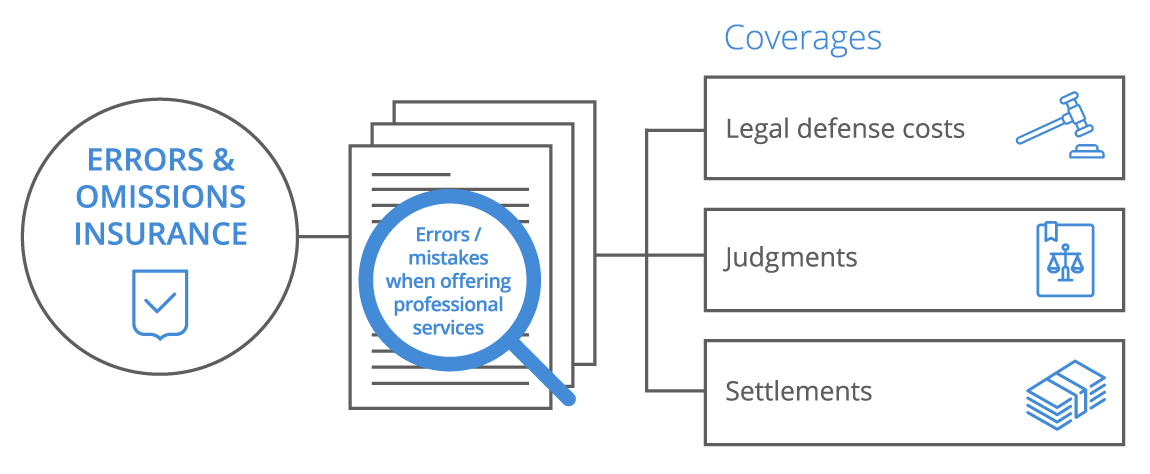
E&O insurance is your safety net when your advice or services don’t go as planned. It covers legal costs and settlements if a client claims your work was flawed or incomplete. Whether you’re a consultant, financial advisor, or even a tech professional, E&O can protect you from costly mistakes.
The Crucial Role of E&O Insurance for Professionals
Imagine this: a client sues you because they claim your advice lost them thousands of dollars. This is where E&O insurance steps in. It saves the day by covering your legal fees and any settlements. Without it, you’d be paying everything out of pocket—and that could be devastating.
But that’s not all. E&O insurance is not just for major mistakes. Even if a client merely perceives an oversight, you’re at risk. In today’s litigious environment, having this coverage is just smart business.
What E&O Insurance Covers
Here is the deal: E&O policies typically cover legal defense costs, settlements, and judgments. This means you’re covered whether the claim is valid or not. Policies can be customized to fit your specific needs, offering peace of mind for professionals across various industries.
Pro Tip: Always read the fine print. Make sure the policy covers both defense costs and damages, as some policies only cover one or the other.
E&O Insurance vs. Other Types of Liability Insurance
Let’s compare E&O insurance with other types of liability insurances to see where it stands.
| Insurance Type | Purpose | Coverage |
|---|---|---|
| Errors and Omissions | Protects against claims of inadequate work or negligent actions. | Legal defense, settlements, and judgments. |
| General Liability | Covers physical injuries and property damage. | Bodily injury, property damage, and advertising injury. |
| Professional Liability | Similar to E&O, but broader and used interchangeably in some sectors. | Negligence, misrepresentation, and inaccurate advice. |
| Product Liability | For manufacturers and sellers, covers damages caused by products. | Injuries or damages from product defects. |
Errors and Omissions Insurance Requirements in Washington State
Did you know that not having Errors and Omissions (E&O) insurance in Washington State can lead to serious legal troubles? If you’re a professional in certain industries, this insurance isn’t just a good idea—it’s a must.
In Washington State, E&O insurance is a legal requirement for many professions. But what exactly does that mean for you? Let’s break it down.
Legal Requirements for E&O Insurance in Washington State
Washington State mandates that professionals in various sectors carry Errors and Omissions insurance. This requirement ensures that businesses protect themselves from claims of negligence or failure to perform duties. If you’re in real estate, law, or finance, you likely need to have E&O insurance.
Here’s the deal: Compliance isn’t just about following rules—it’s about protecting your business assets too. Neglecting this requirement means you’re opening yourself up to potential lawsuits without a safety net.
Industries Most Affected by E&O Regulations in Washington
Wondering if your industry is impacted? Real estate professionals, lawyers, and financial advisors are just the tip of the iceberg. In Washington, anyone offering consulting or advisory services is typically required to have E&O coverage.
But why stop there? If you provide any professional advice, consider this insurance as your first line of defense.
Pro Tip: Partner with an insurance agent who understands your industry. They’ll ensure you’re not underinsured or overpaying for unnecessary coverage.
Penalties for Not Having E&O Insurance in Washington State
Think skipping E&O insurance is no big deal? Think again. In Washington, failing to carry required E&O insurance can lead to heavy fines and even the suspension of your business license. That’s right—no insurance, no business.
The financial impact doesn’t end with penalties. Any legal action against you could result in crippling out-of-pocket expenses, which E&O insurance would otherwise cover.
Professional Services Mandating E&O Insurance in Washington
Here’s a quick rundown of services that commonly require E&O insurance in Washington State:
- Real Estate Agents and Brokers
- Attorneys
- Insurance Agents
- Financial Advisors
- Consultants
- Tech Service Providers
If you identify with any of these professions, it’s time to prioritize Errors and Omissions insurance.
How to Choose the Right E&O Insurance Policy in Washington State
Did you know that 90% of businesses face potential lawsuits due to errors and omissions? Whether you’re a small consultancy or a large corporation, choosing the right E&O insurance is crucial in Washington State. But how do you navigate this complex landscape and ensure you’re covered?
Here is the deal: Finding the ideal E&O insurance involves more than just picking the cheapest option. You need to dive deep into the specifics of each policy, considering coverage, provider reliability, and your business needs. Let’s break down the process.
Factors to Consider When Selecting an E&O Insurance Policy
First, understand the coverage you require. Ask yourself: What risks does my business face? Do you need protection against data breaches or professional malpractice? Knowing your risks guides your coverage selection.
Next, consider the reputation of the insurance provider. Look for reviews and ratings. An insurer with a solid track record and industry expertise is crucial.
Pro Tip: Choose an insurer who specializes in your industry for tailored advice and coverage.
Finally, don’t forget to evaluate the insurer’s financial strength. A financially stable company is more likely to fulfill claims promptly.
Step-by-Step Procedure for Evaluating E&O Insurance Providers
Step #1: Research multiple providers. Compile a list of potential insurers by checking online reviews and asking for recommendations.
Step #2: Request detailed quotes from each insurer on your list. Compare the specifics, such as premium costs, coverage limits, and additional benefits.
Step #3: Contact each provider for a consultation. Discuss your specific business needs and ask how their policy can be customized to fit.
Step #4: Verify credentials. Make sure the provider is licensed in Washington State and has no unresolved complaints with the state’s insurance commissioner.
Checklist for Assessing Coverage Limits and Deductibles
Before you commit, make sure you’ve checked these essential elements:
- Does the policy cover all potential risks? (e.g., professional negligence, data breaches)
- Are the coverage limits sufficient to protect your assets?
- What are the deductibles, and can your business handle them?
- Does the policy include legal defense costs?
Remember, not all policies are created equal. The right policy will balance comprehensive coverage with manageable costs.
Customizing an E&O Policy to Fit Specific Business Needs
Here’s how to tailor your E&O insurance to your unique situation:
First, assess your business’s specific vulnerabilities. Does your industry face unique risks? Customize your policy to include these specifics.
Next, choose add-ons or endorsements as needed. For instance, technology firms might need cyber liability coverage, whereas consultants may require a higher limit for professional advice errors.
Finally, regularly review and update your policy. As your business grows, your insurance needs may change. Keep your policy aligned with your current operations and risk profile.
Benefits of Errors and Omissions Insurance for Businesses

Did you know that 30% of businesses face legal action due to professional mistakes? That’s where Errors and Omissions (E&O) Insurance steps in to save the day. It’s not just a policy—it’s your business’s safety net.
E&O insurance provides crucial financial protection when your business is accused of a mistake or oversight. Imagine a client alleging that your advice led to financial loss. Without coverage, this could mean devastating out-of-pocket expenses. With E&O insurance, you don’t just protect your assets—you also ensure your peace of mind.
Enhancing Business Credibility with E&O Insurance
So, how can E&O insurance make your business look better? When clients see you’re insured, they know you’re committed to professionalism and accountability. It’s like wearing a badge of trust. Clients are more likely to choose a business that’s prepared for the unexpected.
Think of it this way: a potential client is choosing between two service providers. One has E&O insurance, and the other doesn’t. The insured business stands out as the safer bet. This choice could be the difference between winning a contract or losing it.
Building Client Trust and Retention with E&O Insurance
Trust is the foundation of any business relationship. E&O insurance doesn’t just protect your business—it builds client trust. When clients know you’re covered, they’re more comfortable and confident in your services.
Here’s the deal: retaining clients is cheaper than acquiring new ones. E&O coverage can boost your client retention rates by reassuring them they’re in good hands. This insurance shows you care about delivering quality and rectifying errors.
Long-term Benefits of Maintaining E&O Insurance Coverage
Have you considered the long-term benefits of E&O insurance? Beyond immediate protection, it contributes to your business’s stability and growth. Over time, the credibility gained from being insured can lead to more opportunities and partnerships.
Pro Tip: Investing in E&O insurance can open doors to bigger projects and high-profile clients who require proof of coverage.
In the long run, a business with E&O insurance is not just surviving—it’s thriving. The consistent coverage helps you navigate risks and focus on delivering exceptional service.
Common Claims Covered by Errors and Omissions Insurance
Did you know that a single mistake could cost your business thousands of dollars? That’s where Errors and Omissions (E&O) Insurance steps in to save the day.
E&O insurance protects professionals against claims of inadequate work or negligent actions. But what kind of claims does it actually cover? Let’s dive in.
Typical Scenarios Covered by E&O Insurance
E&O insurance is not just a safety net; it’s your business lifeline. Imagine a client alleging that your advice led to financial loss. That’s claim #1. Or picture a software glitch that disrupted a client’s operations—claim #2. BUT wait, there’s more. Claims about not delivering promised services? Yup, that’s covered too.
Pro Tip: Always document client communications to bolster your defense in case of a claim.
The E&O Insurance Claim Filing Process
Filing an E&O claim doesn’t have to be a nightmare. Here is the deal: Step #1, notify your insurer as soon as an issue arises. Step #2, gather all relevant documentation, like contracts and emails. Step #3, work closely with your insurer to resolve the claim efficiently.
Speed and accuracy are your best friends in this process. Missing details can delay your claim.
Strategies to Prevent Common E&O Claims
Avoidance is the best strategy. You need to establish robust quality control processes. Double-check work before submission. Train your team on compliance and communication. Here is another game-changer: Have contracts reviewed by a lawyer to ensure they cover your liabilities.
Covered vs. Non-Covered Claims
Not all claims make the cut. Here’s a quick look at what’s typically covered and what’s not.
| Covered Claims | Non-Covered Claims |
|---|---|
| Negligence | Intentional fraud |
| Misrepresentation | Property damage |
| Violation of good faith | Employee injuries |
The Cost of Errors and Omissions Insurance in Washington State
Did you know that the average small business owner can spend between $500 and $1,000 annually on E&O insurance? But here’s the kicker: several factors can make that number skyrocket. Understanding these factors can save you big bucks.
Let’s dive into what affects your premiums and how you can turn the pricing game in your favor.
Factors Affecting E&O Insurance Premiums in Washington
So, why does your neighbor pay less for E&O insurance than you do? The main culprits are industry risk, claims history, and policy limits. If you’re in a high-risk industry like finance or real estate, expect to shell out more. An industry with fewer claims generally enjoys lower rates.
Influence of Business Size and Type
Your business’s size and type are major players in E&O insurance costs. Bigger businesses mean higher exposure, which equals more risk for insurers. Are you a solo practitioner or a part of a larger firm? The size and nature of your operations will influence your premiums.
Reducing E&O Insurance Expenses
Is your E&O insurance bill giving you sleepless nights? Don’t worry, there are ways to rein it in without cutting corners. Consider raising your deductible or bundling E&O with other policies. Insurers love it when you show commitment by implementing strong risk management practices.
Pro Tip: Implement a robust training program for your team to reduce human error and claims.
Understanding the Impact of Deductibles
Higher deductibles can lower your premiums, but here’s the deal: you’ll pay more out-of-pocket if something goes wrong. It’s a balancing act. Choose a deductible that makes sense for your cash flow and risk tolerance.
Think of your deductible as a lever that controls your insurance costs. Pull the right one and save!
Final Thoughts
As we wrap up this guide on Errors and Omissions Insurance in Washington State, it’s clear that safeguarding your professional reputation and financial assets is non-negotiable. E&O insurance offers peace of mind, allowing you to focus on what you do best without the looming fear of potential liabilities. Don’t wait until a claim is knocking at your door; ensure you’re covered, secure, and ready to face the future with confidence.
Answers to Common Questions
What is Errors and Omissions Insurance?
Errors and Omissions Insurance, or E&O insurance, provides coverage for professionals against claims of negligence or inadequate work.
Who needs E&O Insurance in Washington State?
Professionals such as lawyers, consultants, real estate agents, and accountants in Washington State often require E&O insurance to protect against potential claims.
What are the legal requirements for E&O insurance in Washington State?
Washington State mandates E&O insurance for certain professional sectors, ensuring compliance to avoid legal repercussions.
How can I lower the cost of my E&O insurance?
To reduce your E&O insurance costs, consider increasing your deductible, maintaining a good claims history, and bundling policies.
What does E&O insurance typically cover?
E&O insurance covers legal fees, settlements, and judgments related to claims of negligence, errors, or omissions in the professional services provided.
Are there penalties for not having E&O insurance in Washington State?
Yes, failing to carry E&O insurance when required can lead to legal penalties, fines, and increased liability exposure.
