Running a small business can feel like navigating a minefield; one wrong step and you could face financial ruin. That’s where small business insurance comes in, acting as a safety net to protect you from the unexpected. But with so many options available, how do you know which policies are right for you?
In this guide, we’re diving deep into the world of small business insurance, breaking down the fundamentals, comparing policies, and highlighting what you need to know to keep your business secure. Whether you’re a seasoned entrepreneur or just starting out, understanding these insurance essentials can make all the difference.
Understanding the Basics of Small Business Insurance

Did you know that 40% of small businesses have no insurance at all? It’s a risky game to play. Let’s break down why small business insurance is crucial and what it covers.
Small business insurance is not just a safety net—it’s a business essential. From property damage to liability claims, the right insurance policy protects you from the unexpected. Here’s the deal: without insurance, one mishap can derail your business entirely.
Types of Coverage Typically Available
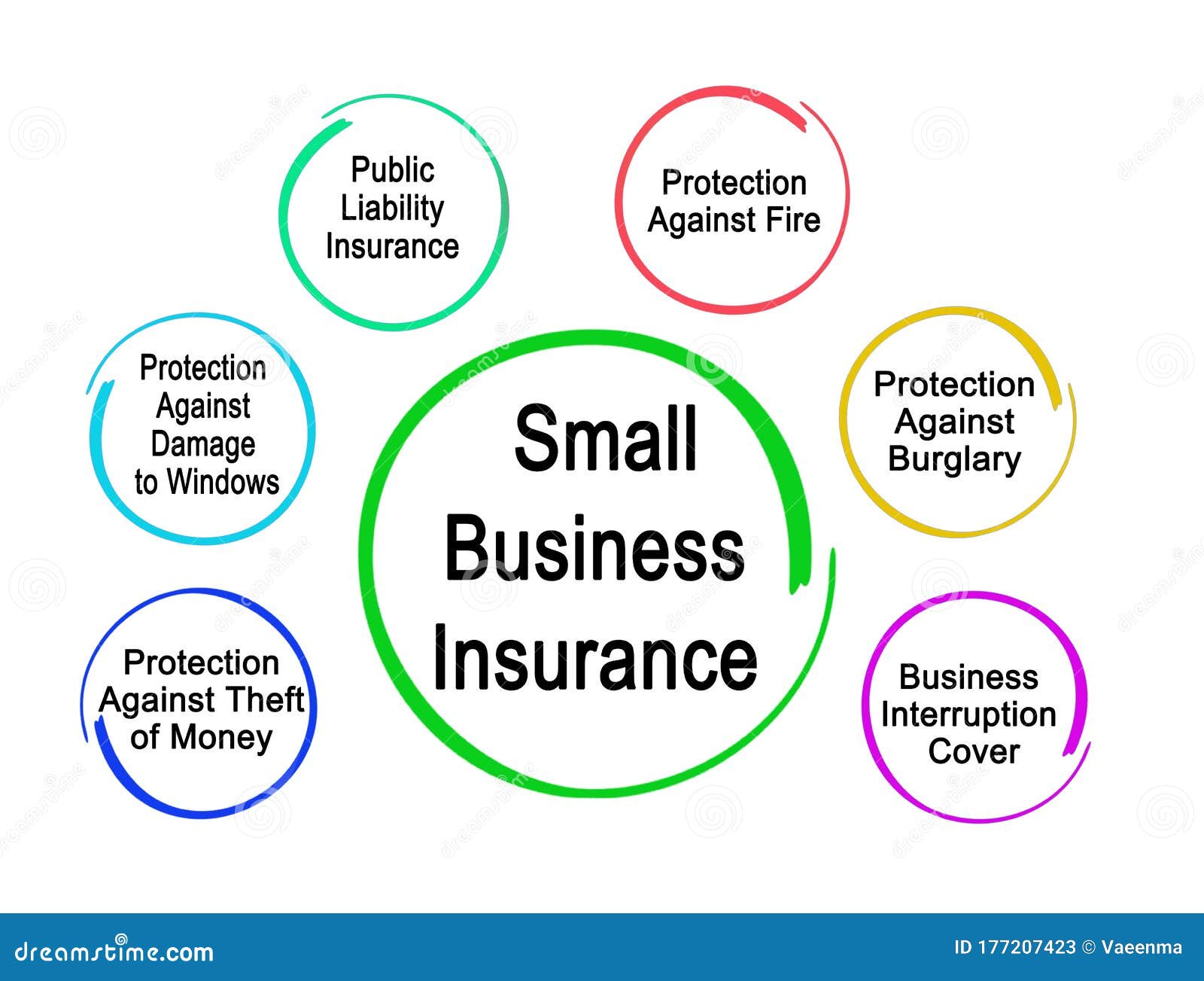
Small business insurance can be overwhelming, but knowing the types is half the battle. Common policies include General Liability Insurance, which covers legal fees for accidents or injuries. Property Insurance protects your physical assets, while Workers’ Compensation covers employee injuries on the job. But wait, there’s more: Business Interruption Insurance steps in when unforeseen events disrupt your operations.
Pro Tip: Bundle different types of coverage into a Business Owner’s Policy (BOP) to save money and simplify your plan.
The Importance of Having Insurance for Small Businesses
Imagine a fire destroys your office. Without insurance, you’re left footing the bill for everything. Insurance isn’t just about protection—it’s about peace of mind. Most importantly, it keeps your business compliant with legal requirements and boosts your credibility with clients.
Pro Tip: Always review your policy annually to ensure it aligns with your business’s evolving needs.
Small Business Insurance Policies and Their Benefits
Let’s take a closer look at the different policies and what they offer. Here’s a quick comparison:
| Insurance Policy | Benefits |
|---|---|
| General Liability Insurance | Protects against claims of bodily injury and property damage. |
| Property Insurance | Covers damage to your business premises and assets. |
| Workers’ Compensation | Provides for medical expenses and lost wages of injured employees. |
| Business Interruption Insurance | Reimburses lost income during temporary business closures. |
Types of Small Business Insurance Policies
Did you know that 40% of small businesses will experience a property or liability loss in any given year? That’s why having the right insurance is crucial.
Let’s dive into the different types of small business insurance policies you need to know about. Understanding these can be the difference between a minor setback and a business-ending event.
General Liability Insurance vs. Professional Liability Insurance
When we talk about protecting your business, General Liability Insurance (GLI) and Professional Liability Insurance (PLI) are two major players. But they serve different purposes.
- General Liability Insurance: Protects against physical risks, property damage, and bodily injuries.
- Professional Liability Insurance: Specifically designed to cover negligence claims due to mistakes or failure to perform.
Here is the deal:
- Pros of GLI: Broad coverage, protects against physical risks, essential for any business with a physical location.
- Cons of GLI: Doesn’t cover professional mistakes or negligence.
- Pros of PLI: Coverage for errors and omissions, essential for service providers.
- Cons of PLI: Doesn’t cover physical risks or property damage.
When should you choose GLI over PLI or vice versa? It depends on your business type:
- Choose GLI if you own a physical store or office where clients visit.
- Select PLI if your business provides advisory services or consultancy.
Pro Tip: Combine both GLI and PLI for comprehensive protection. It’s like having a safety net that covers all your bases.
| Policy Name | Coverage Details | Cost | Recommended Business Types |
|---|---|---|---|
| General Liability Insurance | Property damage, bodily injury, advertising injury | $300-$1,000 per year | Retail stores, restaurants, general contractors |
| Professional Liability Insurance | Errors and omissions, negligence claims | $500-$2,000 per year | Consultants, accountants, IT professionals |
Factors Affecting Small Business Insurance Costs

Ever wondered why your small business insurance premium is through the roof? You’re not alone. Understanding the factors that influence insurance costs can be a game-changer.
Here’s the deal: Insurance companies evaluate risk. But they don’t stop there. They consider everything from your industry to your claims history.
Key Factors That Influence Insurance Costs
Let’s break it down. The industry you’re in plays a huge role. If you’re in construction, expect to pay more than a small office-based business. Why? The risks are higher.
Claims history is another biggie. More claims = higher premiums. It’s that simple. And don’t forget about your location. Operating in a disaster-prone area? Your rates will reflect that.
How to Reduce Insurance Premiums
Now, I bet you’re asking, “How can I lower my premiums without skimping on coverage?” It’s easier than you think. Start by bundling policies. It’s like getting a combo meal—better value for money.
- Increase your deductible.
- Implement risk management practices.
- Maintain a good claims history.
Pro Tip: The bigger your deductible, the lower your premium. But only choose a deductible you can afford to pay out-of-pocket.
Industry Impact on Insurance Rates
Different industries face different risks, and these are reflected in insurance rates. Check this out:
- A tech startup may pay lower premiums than a manufacturing plant.
- Retail businesses usually have higher premiums due to customer foot traffic.
- Restaurants might face high premiums due to fire risks and health regulations.
Business Size and Insurance Costs
Here’s a shocker: The size of your business can dramatically alter your insurance costs. More employees mean more potential claims. It’s a numbers game.
“The larger your business, the higher the premiums due to increased liabilities and potential for claims.”
Feeling overwhelmed? Don’t be. Understanding these factors gives you the power to make informed decisions. Start today, and watch your insurance costs become more manageable.
Choosing the Right Insurance Provider for Your Small Business
Ever feel like picking an insurance provider is like finding a needle in a haystack? You’re not alone. Choosing the right insurance provider for your small business can be overwhelming. But here’s the deal: it’s crucial for your business’s health and security.
When you choose an insurance provider, you’re not just buying a policy—you’re buying peace of mind. You need a provider that’s reliable, affordable, and understands the unique needs of your business. So, what should you look for in a provider?
Criteria for Selecting a Reliable Insurance Provider
Start by assessing the provider’s reputation. Look for reviews and testimonials from other small business owners. A provider with a track record of excellent customer service is a must. Next, consider their financial stability. You don’t want a provider that might go under when you need them the most.
Checklist for Evaluating Insurance Providers
Before you sign on the dotted line, answer these crucial questions:
- How long has the provider been in business?
- What do other customers say about their claims process?
- Are they licensed to operate in your state?
- Do they offer the specific types of coverage your business needs?
- What discounts or package deals are available?
- How easily can you contact them for support?
Comparison of Insurance Providers
Here’s a quick comparison to get you started:
| Provider Name | Policy Offerings | Customer Ratings | Pricing |
|---|---|---|---|
| Provider A | General Liability, Property, Workers’ Comp | 4.5/5 | $$$ |
| Provider B | Professional Liability, Cyber Insurance | 4.0/5 | $$ |
| Provider C | Business Owner’s Policy, Vehicle Insurance | 4.8/5 | $$$$ |
Steps to Secure a Policy with a New Provider
Getting a new policy doesn’t have to be a headache. Step #1: Gather all necessary business documents like financial statements and business licenses. Step #2: Request quotes from multiple providers to compare prices and coverage options.
Step #3: Review the policy terms carefully. Look out for any hidden fees or limitations. Step #4: Once you’re satisfied, finalize your policy choice and complete the application process.
Pro Tip: Always ask for a breakdown of the policy costs. This transparency helps you understand exactly what you’re paying for and why.
Common Mistakes to Avoid in Small Business Insurance
Did you know that 40% of small businesses will experience a property or liability loss within the next 10 years? Yet, many of them are underinsured. Insurance can be a lifeline, but only if entrepreneurs understand what they’re getting into.
When it comes to small business insurance, being underinsured is just one blunder. Let’s dive into some other frequent errors and how you can steer clear of them.
Overlooking Critical Coverage Areas
One of the biggest mistakes you can make is to overlook key coverage areas. Many business owners assume general liability is enough. It’s not. Here are some examples of how inadequate insurance can impact your business:
- Your office gets flooded and you realize your policy doesn’t cover flooding. You’re stuck with the repair bill.
- A cyber attack brings your business down, but you didn’t think a cyber insurance policy was necessary. Now, you’re paying out of pocket for data recovery.
- One of your employees gets injured on-site, and you discover your worker’s comp coverage is seriously lacking.
To avoid these pitfalls, make sure you understand your specific risks and get policies that cover those areas. It’s crucial to customize your insurance to fit your business needs.
Failing to Update Policies Regularly
Your business isn’t static, and neither should your insurance be. Regularly reviewing and updating your policies is paramount. Here’s the deal: as your business grows, your needs change.
For example, if you’ve recently purchased new equipment or expanded your operations, your existing policy might not cover these changes. Make it a habit to review your coverage every year. Better yet, do it every time you make a significant business decision.
Pro Tip: Schedule a bi-annual meeting with your insurance agent to review your policy. It’s just as important as going to the dentist.
Choosing Based on Price Alone
We all love a good bargain, but going for the cheapest insurance option can be a gamble. Price should not be the sole factor in your decision. Sure, saving money feels good, but it can cost you more if the coverage is inadequate.
Instead, focus on the value you’re getting. Compare potential insurers not just on price but on the range of coverage, reliability, and customer service.
| Factor | Why It’s Important |
|---|---|
| Coverage Range | Ensures that all potential risks are covered adequately. |
| Customer Service | Fast and helpful service when filing claims can save time and reduce stress. |
Remember, the best policy is one that provides comprehensive coverage without breaking the bank.
Trends and Innovations in Small Business Insurance
Did you know that 80% of small businesses are underinsured? That’s a startling figure! It highlights why keeping up with the latest trends in small business insurance is vital for your business’s survival.
Here’s the deal: The world of small business insurance is evolving faster than ever. With new technologies and changing market conditions, staying updated can provide your business with a competitive edge and help you avoid costly pitfalls.
Recent Innovations in Insurance Technology
Technology is revolutionizing how businesses approach insurance. One of the biggest game-changers is AI-driven risk assessment. This innovation allows insurance providers to offer customized policies with unprecedented precision, saving you money and time. But that’s not all!
Using AI and machine learning, insurance companies can now predict risks with high accuracy, enabling them to tailor coverage specifically to your business needs.
Additionally, the rise of Insurtech platforms has made buying and managing policies simpler than ever. You can now compare quotes, purchase policies, and file claims—all from a single app.
Emerging Trends Small Business Owners Should Know
Insurance needs are evolving, too. There’s a movement towards more flexible insurance options, which cater to the unique and dynamic needs of small businesses. For example, on-demand insurance lets you activate coverage only when necessary, reducing unnecessary costs.
Cyber insurance is another hot trend. With the increasing number of cyber threats, ensuring your business is protected from data breaches is crucial. It’s not just about having insurance; it’s about having the right kind of insurance.
How Technology Benefits Small Businesses
Tech-driven innovations are not just fancy buzzwords—they provide tangible benefits. Streamlined processes mean less time spent on paperwork and more on growing your business. Plus, with real-time data management, you can make informed decisions quickly.
By harnessing technology, small businesses can reduce administrative burdens, allowing them to focus on what truly matters: serving their customers and expanding their market reach.
Pro Tip: Stay ahead of the curve by regularly reviewing your policies and adapting to new technologies. This proactive approach can save you from outdated coverage and potential losses.
Final Summary
As you journey through the highs and lows of entrepreneurship, having the right small business insurance can be your stronghold. Don’t let common pitfalls or outdated policies jeopardize your hard work. Stay informed, choose wisely, and let your insurance work for you while you focus on growing your business.
Answers to Common Questions
What is small business insurance?
Small business insurance is a type of coverage designed to protect business owners from financial losses due to various risks, such as accidents, property damage, and legal claims.
Why do I need small business insurance?
Insurance safeguards your business from unforeseen events, ensuring financial stability and legal compliance, while also enhancing credibility with clients and partners.
What are the different types of small business insurance?
Common types include general liability, professional liability, property insurance, and workers’ compensation, each covering different aspects of business risks.
How can I reduce my small business insurance premiums?
To lower premiums, consider raising deductibles, bundling policies, implementing safety programs, and regularly reviewing your coverage to eliminate unnecessary policies.
What factors influence the cost of small business insurance?
Factors include the size of the business, industry risk, location, claims history, and the type of coverage selected.
How do I choose the right insurance provider?
Evaluate providers based on their reputation, customer service, policy options, and pricing. It’s also important to ask for recommendations and read reviews.
What are some common mistakes to avoid with small business insurance?
Avoid underinsuring your business, neglecting to update policies regularly, and not understanding the terms and conditions of your coverage.
